|
| 产地 | France |
| 品牌 | AntibodySystem |
| 货号 | YHD36101 |
| 用途 | 仅用于科研 |
| 包装规格 | 100 μg |
| 纯度 | 0.95% |
| CAS编号 | |
| 是否进口 | 否 |
| 产品信息: |
|
|---|---|
| 产品货号 | YHD36101 |
| 产品名称 |
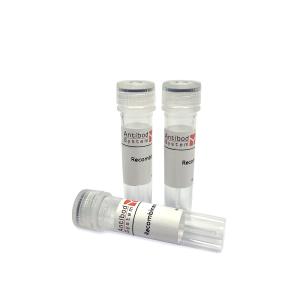
重组人CXCL3/GRO-γ/MIP2-β蛋白(N端His标签) Recombinant Human CXCL3/GRO-gamma/MIP2-beta Protein (N-His) |
| 规格与价格 | 100 μg / ¥1,880 |
| 产品形态 | 冻干粉(Lyophilized Powder) —— 便于长期保存与稳定运输 |
| 冻干前缓冲液 | PBS(pH 7.4)体系,含0.01% SKL(月桂酰肌氨酸钠)及5% 海藻糖(Trehalose)作为蛋白保护剂 |
| 纯度标准 | >90%(经SDS-PAGE还原电泳鉴定) |
| 内毒素水平 | 具体数值请咨询实验室(当前批次检测中) |
| 表达系统 | 大肠杆菌(E. coli) 原核表达系统,适用于高产量、高纯度重组蛋白制备 |
| 物种来源 | 人(Homo sapiens) |
| 蛋白序列覆盖 | Ala35-Asn107(成熟肽段区域) |
| 预测分子量 | 10.16 kDa(理论值,不含标签修饰影响) |
| 标签类型 | N端6×His标签 —— 便于通过金属螯合亲和层析(IMAC)纯化及Western Blot检测 |
| UniProt编号 | P19876 |
| 靶标/别名 | GRO3、GRO-gamma、MIP2-beta、C-X-C基序趋化因子3、生长调节蛋白γ、巨噬细胞炎性蛋白2-β、SCYB3(详见完整列表) |
| 推荐应用方向 |
• ELISA(抗原包被或标准品) • 免疫原(Immunogen) 用于抗体免疫制备 • SDS-PAGE/Western Blot(分子量对照或特异性检测) • 生物活性测试(正在进行中,数据待更新) |
| 重悬方法 | 推荐使用无菌去离子水复溶,配制成储备液(Stock Solution)。建议根据实验需要分装后冻存,避免反复取用。 |
| 运输条件 | 冻干粉形式通常常温运输;若为液体形式则采用干冰/蓝冰运输,具体根据客户需求调整。 |
| 稳定性与储运建议 |
• 频繁使用:2~8°C保存(短期) • 长期保存(收货后12个月内):-20°C ~ -80°C冷冻保存 • 请使用手动除霜冰箱,并严格避免反复冻融(冻干粉复溶后尤其注意分装) |
| 使用限制 | 仅供科研用途(For Research Use Only) |
CXCL3属于趋化因子,诱导免疫细胞定向迁移,调控细胞游走与组织修复进程,多种组织细胞均可分泌。表达失衡会扰乱免疫细胞分布,是细胞趋化行为、组织微环境调控领域常用研究靶点。
前沿相关研究:
1.The cancer stem cells characteristics analysis of LGR5 + cells that influence lung cancer risk by using single cell RNA-seq analysis., PMID:40341189
2.Gene Expression Array Analyses Predict Proto-Oncogene Expression During Perineural Invasion in Pancreatic Ductal Adenocarcinoma., PMID:38454277
3.Comparative analysis of paraspinal muscle imbalance between idiopathic scoliosis and congenital scoliosis from the transcriptome aspect., PMID:38440359
4.The promotion of cell proliferation and invasion in cutaneous squamous cell carcinomas after ARNT downregulation is associated with CXCL3., PMID:39312988
5.Cronkhite‒Canada syndrome as inflammatory hamartomatous polyposis: new evidence from whole transcriptome sequencing of colonic polyps., PMID:38297356
6.Unlocking the potential of Escherichia coli K-12: A novel approach for malignancy reduction in colorectal cancer through gene expression modulation., PMID:38342251


